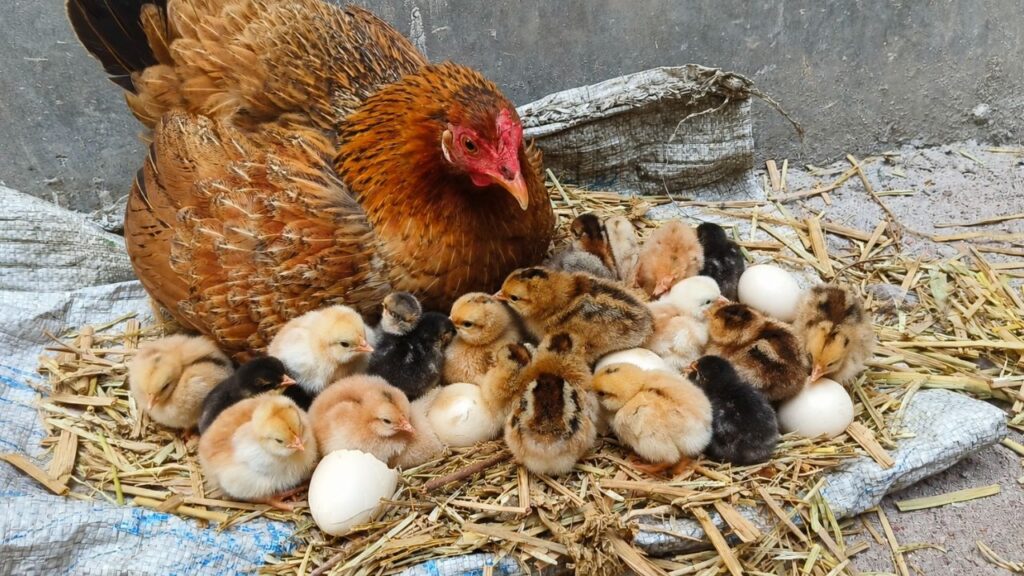
So you’ve decided to raise chickens. Welcome to one of the most rewarding decisions you’ll ever
make as a farmer, homesteader, or backyard enthusiast. Whether you want a steady supply of
fresh eggs, homegrown meat, or simply enjoy the idea of caring for animals, chickens are a
fantastic place to start.
The good news? You don’t need years of farming experience to do this well. With the right
knowledge, a little patience, and proper setup, even a complete beginner can successfully raise a
healthy flock.
This guide covers everything — from choosing your first breed to collecting eggs — in a simple,
step-by-step format. Let’s get started.
- Benefits of Raising Chickens
Before we dive into the how-to, let’s talk about why raising chickens is such a great idea.
Fresh Eggs Every Day: Nothing beats collecting warm, fresh eggs from your own flock. They
taste better, last longer, and are far more nutritious than store-bought eggs
Pest Control: Chickens love to eat bugs, beetles, ticks, and even small rodents. They’re nature’s
pest controllers.
Fertilizer for Your Garden: Chicken manure is one of the best natural fertilizers available. Your
garden will thank you.
Low Start-Up Cost: Compared to other livestock, chickens are inexpensive to buy and maintain.
A small flock can pay for itself quickly.
Educational for Kids: Raising chickens teaches responsibility, patience, and where food really
comes from.
Stress Relief: Believe it or not, spending time with chickens is genuinely calming. Many chicken
owners call it “chicken therapy.”
- Choosing the Right Chicken Breed
Not all chickens are the same. Picking the right breed depends on what you want — eggs, meat,
or both.
Meat Chickens vs. Egg-Laying Chickens
Egg-Laying Breeds are bred specifically to produce eggs consistently. They tend to be smaller,
eat less, and are great for home flocks.
Top egg-laying breeds for beginners:
Rhode Island Red — Hardy, friendly, and lays around 250–300 brown eggs per year.
Leghorn — The classic white-egg layer. Lays up to 300 eggs a year but can be flighty.
Plymouth Rock (Barred Rock) — Calm temperament, great for families, produces 200+
eggs yearly.
Australorp — World-record egg layer. Docile and excellent for beginners.
Sussex — Curious and friendly. Good for both eggs and occasional meat.
Meat Breeds grow fast and develop large, meaty bodies. They’re raised specifically for
butchering.
Top meat breeds:
Cornish Cross — The most popular meat bird. Ready for butchering in just 6–8 weeks.
Freedom Ranger — Slower growing but more flavourful. Great for pasture-based farming.
Jersey Giant — Grows very large but takes longer to mature (16–21 weeks).
Dual-Purpose Breeds offer a balance of both egg production and decent meat. Good picks
include the Rhode Island Red, Plymouth Rock, and Orpington.
How Many Chickens Should Beginners Start With?
Start small. A flock of 3 to 6 hens is perfect for most beginners. This gives you:
Enough eggs for a small family (3–4 eggs per hen per day on average)
Manageable care and feeding costs
Time to learn before scaling up
Avoid the temptation to start with 20+ birds right away. It’s easy to get overwhelmed. Master the
basics first, then grow your flock.
- Building a Chicken Coop
Your coop is your chickens’ home. It needs to be safe, comfortable, and easy to clean. Getting the
coop right is one of the most important steps in raising chickens.
Space Requirements for Chickens
Overcrowding is one of the most common beginner mistakes. It leads to stress, disease, and
aggressive behaviour.
Here are the general space guidelines:
Inside the coop: At least 2–4 square feet per chicken
Outside run (enclosed yard): At least 8–10 square feet per chicken
Free-range space: As much as possible
So for 6 chickens, your coop should be at least 12–24 square feet, with a run of 48–60 square feet
minimum.
What Your Coop Must Have
Roosting Bars: Chickens sleep on perches, not the floor. Provide at least 8–10 inches of roosting
space per bird. Place bars 18–24 inches above the ground.
Nesting Boxes: Hens need a private, dark place to lay eggs. One nesting box per 3–4 hens is
enough. Size should be about 12×12 inches.
Ventilation: Good airflow prevents moisture build-up and respiratory disease. Add vents near the
top of the coop — but make sure drafts don’t hit roosting birds directly.
Predator-Proof Design: Use hardware cloth (not chicken wire) for all openings. Chicken wire
won’t stop determined predators like raccoons or foxes. Bury the wire 12 inches underground to
prevent digging.
Easy-Clean Floor: A sloped wooden floor with a cleanout door makes maintenance much
simpler.
Best Bedding Materials
Good bedding absorbs moisture, controls doors, and keeps chickens comfortable.
Pine Shavings: The most popular choice. Soft, absorbent, and easy to find. Avoid cedar — the oils
can harm chickens.
Straw: Inexpensive and widely available. Not as absorbent as pine shavings, but works well in
winter.
Sand: Excellent for runs. Easy to clean, dries fast, and chickens love to dust-bathe in it.
Hemp Bedding: A newer option that’s highly absorbent and lasts longer between changes.
The “deep litter method” is popular with beginners — add fresh bedding on top of the old layer
and turn it occasionally. It composts naturally and reduces cleaning frequency. - Chicken Feeding Guide by Age
Feeding chickens the right food at the right stage of life is critical for their health and egg
production.
Baby Chicks (0–8 Weeks)
Feed chicks chick starter feed — a high-protein crumble (18–22% protein). This supports rapid
growth and feather development.
Keep feed available at all times (free-choice feeding)
Avoid treats until 2 weeks old
Introduce small amounts of grit if offering anything other than starter feed
Growing Pullets (8–20 Weeks)
Switch to grower feed (16–18% protein). This maintains steady growth without rushing them
into laying too early.
Start introducing small vegetable and fruit scraps as treats
Always keep fresh grit available
Laying Hens (20+ Weeks)
Transition to layer feed (15–17% protein) when hens start laying eggs. Layer feed contains extra
calcium for strong eggshells.
Supplement with oyster shell offered separately in a small dish
Treats should make up no more than 10% of their daily diet
What Chickens Should Never Eat
Some foods are toxic to chickens:
Avocado (all parts)
Chocolate
Raw beans
Onions and garlic in large amounts
Salty or processed foods
Rotten or moldy scraps
Clean Water and Nutrition Tips
Chickens need fresh, clean water every single day. A chicken can drink up to 500ml of water
daily, especially in hot weather.
Tips for water management:
Use a nipple waterer or automatic waterer to keep water clean
Change water at least once a day
In winter, use a heated waterer to prevent freezing
Add Apple Cider Vinegar (1 tablespoon per gallon) once a week — it supports gut health
and immune function
Electrolytes can be added during heat stress or illness
- Temperature and Lighting Requirements
Baby Chick Brooding Temperature
If you’re raising chicks from hatch, temperature control is critical.
Week 1: 95°F (35°C)
Week 2: 90°F (32°C)
Each week after: reduce by 5°F
By week 6–7: chicks can handle normal room temperatures
Use a heat lamp or brooder plate over one end of the brooder. Leave the other end cooler so
chicks can move to their comfort zone. Watch their behavior — if they huddle under the heat,
they’re cold. If they stay far away from it, they’re too hot.
Adult Chicken Temperature Tolerance
Chickens are surprisingly hardy. Most breeds handle temperatures from 20°F (–7°C) to 100°F
(38°C).
In extreme cold:
Insulate the coop but keep ventilation open
Apply petroleum jelly to combs to prevent frostbite
Provide extra feed — chickens burn more calories staying warm
In extreme heat:
Provide shade and cool water
Freeze treats like watermelon or berries
Ensure excellent ventilation
Lighting for Egg Production
Hens need 14–16 hours of light per day to maintain egg production. In winter months, natural
daylight drops, which can slow or stop laying.
Add a simple 40-watt bulb on a timer in the coop to supplement natural light. This keeps your
flock productive year-round. - How to Care for Baby Chicks
Raising chicks from day one is deeply rewarding. Here’s how to do it right.
Set Up the Brooder Before Chicks Arrive. The brooder should be a warm, draft-free box or tub
lined with paper towels (not shavings at first — chicks can mistake them for food). Have the heat
source running 24 hours before chick arrival.
Handle Chicks Gently and Often. Daily handling from day one makes chicks friendlier and
easier to manage as adults. Support their entire body when holding them.
Watch for Pasty Butt. This is when droppings dry and clog a chick’s vent. It’s common in the first
week. Check daily and gently clean with warm water if needed. Left untreated, it can be fatal.
Introduce to the Coop Gradually. At around 6–8 weeks (when fully feathered), move chicks to
the outdoor coop. Introduce them to older birds slowly — place them in a separate section of the
coop for a week before full integration. - Common Chicken Diseases and Prevention
Healthy chickens are happy chickens. Knowing what to look for keeps your flock thriving.
Common Diseases
Marek’s Disease: A viral disease causing paralysis and tumors. Highly contagious. Prevention:
vaccinate all chicks at hatch (most hatcheries do this automatically).
Coccidiosis: A parasitic infection affecting the intestines. Signs include bloody droppings,
lethargy, and poor growth. Treatment: Amprolium (Corid). Prevention: medicated chick starter.
Respiratory Infections (Mycoplasma, Newcastle Disease): Symptoms include coughing,
sneezing, and runny eyes. Prevention: good ventilation, biosecurity, and vaccination.
Bumblefoot: A bacterial infection of the foot caused by injury. Signs include swollen, crusty feet.
Keep the coop clean and perch heights reasonable.
Mites and Lice: External parasites that cause feather loss and irritation. Check regularly under
wings and around the vent area. Treat with poultry dust or permethrin spray. Offer a dry dust
bathing area for natural prevention.
Vaccination and Health Tips
Vaccinate for Marek’s Disease and Newcastle Disease at minimum
Quarantine new birds for 2–4 weeks before introducing them to your flock
Practice good biosecurity — change shoes between flocks, avoid unnecessary visitors
Do a full health check monthly: eyes, feet, feathers, weight, droppings
Keep a good poultry vet’s number on hand - Daily Chicken Care Routine
Chickens don’t demand much, but they do require consistent daily care. Here’s a simple routine:
Morning:
Open the coop door and let chickens out
Refill feeders with fresh feed
Refresh waterers with clean water
Collect any eggs already laid
Midday:
Quick visual check — make sure everyone looks healthy
Check water levels
Evening:
Collect remaining eggs
Do a head count before closing the coop
Close and secure the coop door at dusk
Weekly:
Add fresh bedding or turn existing deep litter
Clean and scrub waterers
Inspect the coop for damage or signs of predator activity
Monthly:
Full health inspection of each bird
Deep clean the coop if not using the deep litter method
Check for mites, lice, or signs of disease - Free-Range vs. Coop Raising
Both approaches work, and many farmers use a combination of both.
Free-Range Raising allows chickens to roam freely during the day. Benefits include natural
foraging, pest control, and happier, healthier birds. Downsides: higher predator risk, harder to
manage where hens lay eggs.
Coop and Run Raising keeps chickens in an enclosed yard attached to the coop. It’s safer and
more controlled. Great for suburban areas or properties with lots of predators. The downside is
more need for mental stimulation — add perches, hanging vegetables, and enrichment to keep
birds entertained.
Best approach for beginners: A coop with an enclosed run, with supervised free-range time
when you’re home to watch for predators. - How to Protect Chickens from Predators
Predators are the number one cause of chicken losses for backyard farmers. Here’s how to protect
your flock.
Common predators: Foxes, raccoons, hawks, owls, weasels, dogs, snakes, opossums.
Protection strategies:
Use 1/2-inch hardware cloth — not chicken wire — on all openings
Bury fencing 12 inches underground to prevent digging
Add an apron of wire extending 12 inches outward from the base of the run
Install a motion-activated light or alarm near the coop
Use an automatic coop door that closes at dusk
Cover the top of the run with netting or hardware cloth to prevent aerial attacks
Consider a livestock guardian dog for larger flocks
Always do a head count at night. A missing hen often means a predator has been inside your
setup. - Egg Collection and Storage Tips
Collect eggs at least once a day — twice is better during hot weather. The longer eggs sit in the
nest, the more likely they are to get dirty, cracked, or eaten by hens.
Clean eggs gently. Eggs have a natural protective coating called the “bloom.” Try to avoid
washing unless necessary. If you must wash, use warm water only — cold water draws bacteria in
through the shell.
Storage:
Unwashed eggs can be stored at room temperature for up to 2 weeks
Washed eggs must be refrigerated and will last 3–4 weeks
For long-term storage, “water glass” eggs in sodium silicate solution (keeps eggs good for
up to a year)
Tell if an egg is still fresh: Do the float test. Place the egg in a glass of water. Fresh eggs sink and
lie flat. Old eggs float — they’re no longer good. - Chicken Farming Costs and Profit Ideas
Start-Up Costs
Item
Estimated Cost
Baby chicks (6 birds)
$15–$60
Coop (DIY)
$200–$500
Coop (pre-built)
$400–$2,000
Feeder + waterer
$30–$80
Starter feed (50 lbs)
$20–$40
Heat lamp + bulb
$25–$50
Bedding
$10–$20
Total estimate
$300–$2,750
Ongoing Monthly Costs
A flock of 6 hens typically costs $20–$40/month in feed.
Ways to Make Money from Chickens
Sell fresh eggs — Often $4–$8 per dozen at farmers’ markets
Sell fertilized hatching eggs — Rare breeds command premium prices
Sell manure — Bagged chicken compost is popular with gardeners
Sell meat chickens — Process and sell pasture-raised birds locally
Sell pullets and roosters — Grow out chicks and sell young hens
A small flock of 10–12 hens can easily generate $100–$200/month in egg sales alone — covering
feed costs and turning a modest profit. - Beginner Mistakes to Avoid
Even the best-intentioned beginners make these common mistakes. Learn from them before
they happen to you.
Starting with too many birds. Overwhelming yourself in week one is a real risk. Start with 3–6.
Skipping coop ventilation. Poor airflow causes ammonia buildup and respiratory disease.
Always vent — even in winter.
Using chicken wire instead of hardware cloth. Chicken wire keeps chickens in but won’t keep
predators out. Raccoons can rip through it easily.
Not closing the coop at night. Even one night of leaving the door open can cost you your entire
flock. Use an automatic door if you’re forgetful.
Mixing chicks of different ages. Older birds will bully younger ones. Always introduce new
birds gradually and at similar sizes.
Overfeeding treats. Too many treats displace proper nutrition and lead to fat, low-production
hens. Treats should be 10% of the diet maximum.
Ignoring sick birds. Sick chickens often hide illness. Watch for changes in behavior, droppings,
or appearance. Act quickly.
Frequently Asked Questions (FAQ)
Q: How long do chickens live? A: Most backyard chickens live 5–10 years, though egg
production typically declines after 2–3 years.
Q: Do I need a rooster for hens to lay eggs? A: No. Hens lay eggs without a rooster. You only need
a rooster if you want fertilized eggs for hatching chicks.
Q: How many eggs does a chicken lay per week? A: A good laying hen produces 4–6 eggs per
week, depending on the breed, season, and age.
Q: Can I keep chickens in a small backyard? A: Yes! Even small spaces work with a proper coop
and run. Check your local zoning laws first — some areas restrict roosters or limit flock size.
Q: When do pullets (young hens) start laying eggs? A: Most breeds begin laying between 18–22
weeks of age.
Q: What do I do with hens that stop laying? A: Options include keeping them as pets,
processing them for meat, or rehoming them. Many farmers keep productive older hens simply
for their pest control value.
Q: How do I know if a chicken is sick? A: Watch for lethargy, reduced appetite, changes in
droppings, runny eyes or nose, swollen joints, or isolation from the flock. These are all warning
signs.
Q: Is chicken farming profitable? A: On a small scale, you can offset feed costs and make a
modest income. Large-scale profitability requires significant investment but is absolutely
achievable with the right approach.
Conclusion
Raising chickens is one of the most practical and enjoyable things a beginner farmer can do. You
don’t need a huge farm, expensive equipment, or years of experience. What you do need is the
right information, a bit of preparation, and a willingness to learn as you go.
Start small. Get your coop right. Choose a beginner-friendly breed. Feed and water consistently.
And pay attention to your birds — they’ll tell you a lot about their health just through their
behavior.
Before you know it, you’ll be collecting fresh eggs every morning, enjoying the peaceful rhythm
of farm life, and wondering why you didn’t start sooner.
Ready to Start Your Chicken-Raising Journey?
Download our free Beginner Chicken Farming Checklist and get everything set up the right
way from day one. Share this guide with a friend who’s thinking about backyard chickens — and
drop your questions in the comments below. We’d love to help you get started!
“Happy farming”